Quick answer: Compare drain-cleaning quotes by the work included, access point, equipment limits and verification, not just the advertised price. Ask what you owe if the drain cannot be cleared, whether camera footage is included, and what requires additional approval. Get the scope and price in writing before work begins. The FTC recommends written estimates and asking contractors to explain substantial price differences. (consumer.ftc.gov)
For U.S. homeowners. Published price examples below are in U.S. dollars and were checked November 22, 2026. They are local advertisements, not national averages or quotes for your home.
If sewage is backing up, prioritize safety over comparison shopping: stop using toilets and water appliances, keep people away from contaminated areas, and call a qualified professional. Do not operate electrical equipment while standing in water. (seattle.gov)
1. Separate the service-call fee from the drain-clearing price
Before booking, ask the company to distinguish the charge for attending and assessing the problem from the charge for attempting to clear it.
Use these questions:
- What is due just for arriving? Request the service-call or diagnostic charge.
- Is that fee credited toward approved work? Have any credit shown explicitly.
- What does the cleaning price cover? Identify the drain, access point and method.
- What happens if the attempt fails? Ask whether the full charge remains payable.
- Are there other charges? Ask about after-hours attendance, equipment, disposal and applicable tax.
Treat these as a request for a complete written scope, not an assumption that every company bills separately. The FTC advises getting written estimates describing the work and price rather than automatically choosing the lowest bidder. (consumer.ftc.gov)
Access deserves its own discussion. Ask whether the proposal assumes an existing accessible cleanout—a capped access fitting—or requires another route. For example, Puget Sound Energy’s inspection guidance identifies cleanouts, toilets and other access options, and notes that an inspection may require temporary toilet removal. (pse.com)
If fixture removal is proposed, request a separate allowance for removal, reinstallation and testing. Do not treat a quote based on straightforward cleanout access as equivalent to one that includes creating access.

2. Understand what snaking is intended to accomplish
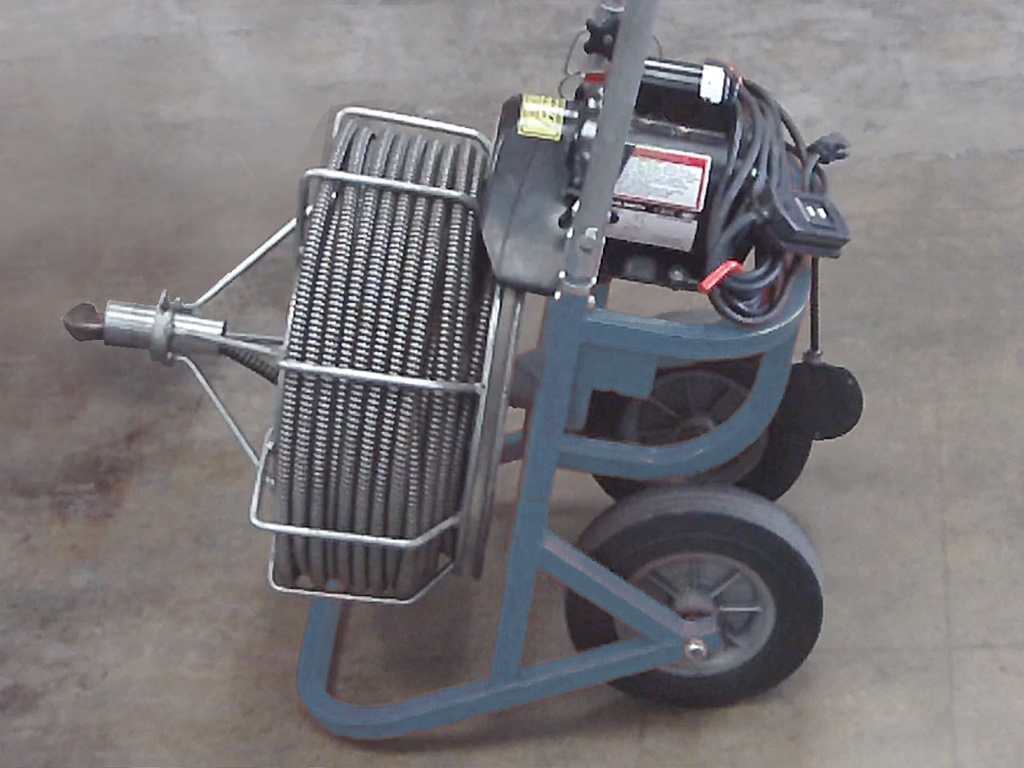
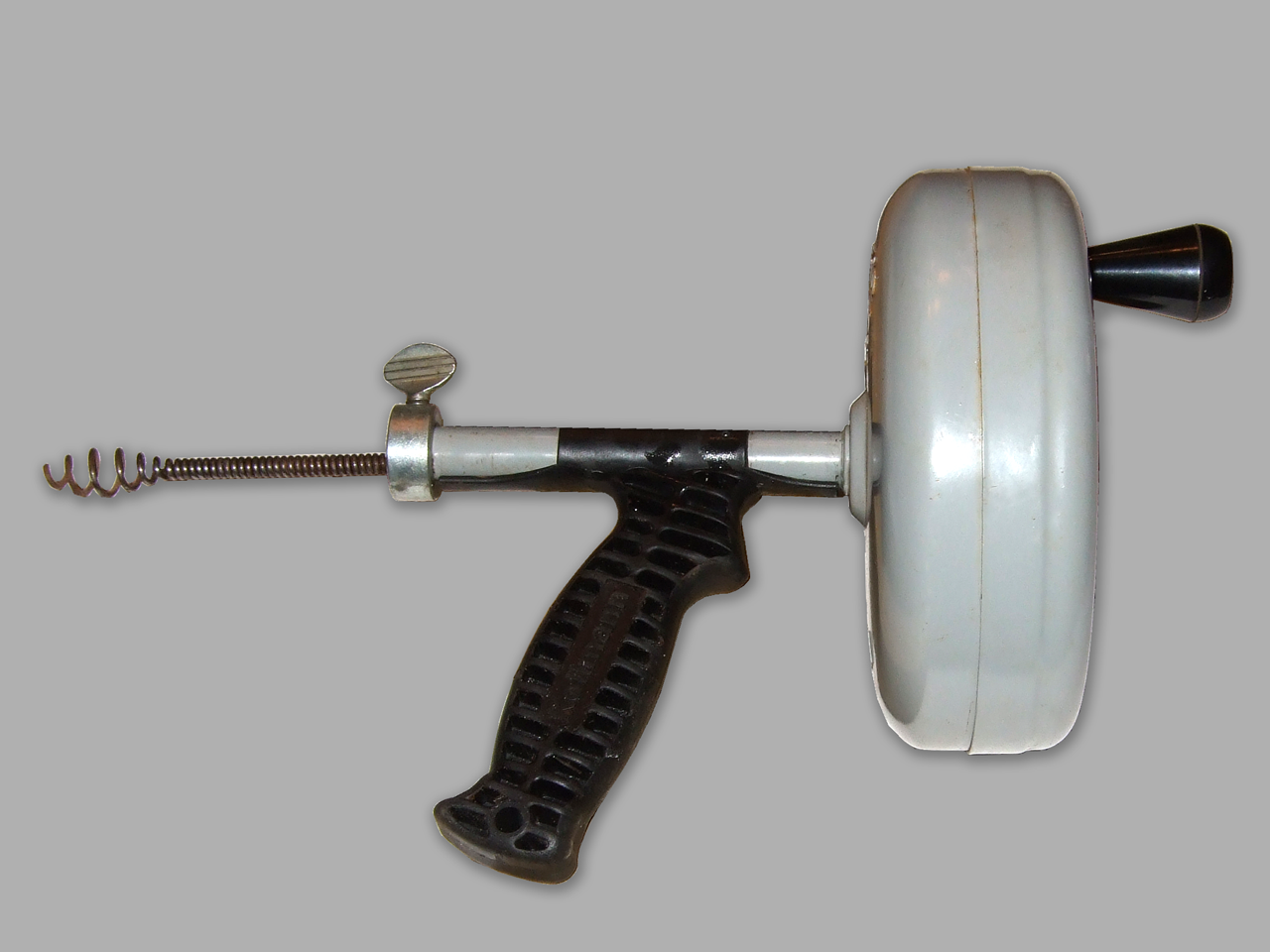
Mechanical snaking, also called cabling or rooting, uses equipment to work through a blockage. Seattle Public Utilities identifies mechanical snakes and water-pressure equipment as methods rooter services use to unclog plumbing and private sewer pipes. It also recommends checking that the equipment can reach the relevant sewer section. (seattle.gov)
Equipment manufacturer RIDGID lists localized obstructions, wipes, debris and foreign objects among conditions for which cabling is often used. That does not make it the right method for every blockage. (ridgid.com)
Ask the contractor:
- Which drain or sewer section will be cabled?
- What reach or working-time limit applies?
- Are additional passes included?
- What finding would justify changing methods?
- What will demonstrate that the agreed work is complete?
Avoid equating “water drains again” with “the underlying problem is repaired.” Restoring flow does not necessarily resolve the condition that caused the restriction. (ridgid.com)
A useful proposal describes both the immediate objective and the stopping point: attempt to restore flow through the identified section, then report findings before proceeding further.

3. Evaluate hydro-jetting by the blockage and pipe condition
Hydro-jetting uses pressurized water to clean a line. RIDGID describes its water-jetting equipment as removing sludge, soap and grease and flushing debris away. Equipment has specified operating applications; the word “jetting” alone does not define the service being purchased. (ridgid.com)
A jetting recommendation should answer two questions:
- What material needs removing?
- Why is this method appropriate for this pipe?
Ask the contractor to identify the section to be cleaned, how suitability will be assessed, what setup is included and how completion will be checked.
Do not authorize jetting simply because it sounds more thorough. Seattle Public Utilities cautions that high-pressure cleaning tools can further damage pipes. (seattle.gov)
Keep cleaning and repair separate in the proposal. Removing deposits is not the same as correcting a crack or displaced joint. RIDGID distinguishes cleaning methods from repair when inspection confirms structural defects. (ridgid.com)
A practical approval condition is: “Explain the evidence for jetting, its limits and the additional price before beginning.”
4. Specify what a camera inspection must deliver
A camera inspection is an investigation, not a drain-clearing method.
Seattle Public Utilities explains that standing water in a blocked line can prevent useful visibility; an inspection after clearing can help assess pipe condition. It also recommends including a copy of the inspection video in the bid. (seattle.gov)
Before paying for an inspection, request:
- The starting access point and intended endpoint.
- A saved recording, not only a live screen demonstration.
- A written summary of visible findings.
- Identification of sections that could not be inspected.
- Clarification of whether surface locating is included or separately priced.
Ask the contractor to distinguish what was observed from what is suspected. An inspection that stops at an obstruction should not be described as a complete inspection beyond that point.
For a suspected blockage, Seattle also recommends recording the distance through the line and marking the relevant location on the ground. (seattle.gov)
This documentation becomes particularly useful if the next recommendation is an expensive repair. Request enough information for another qualified contractor to evaluate the proposed scope.
5. Read advertised prices as offers with boundaries
Two published local examples show why headline prices need context:
| Local disclosure | Advertised offer | Important boundary |
|---|---|---|
| Stedman’s Plumbing, Fresno, California | $99 flat-rate standard drain cleaning | Includes up to 50 feet of cable; excludes drains missing a cleanout; advertised expiration December 31, 2026 |
| Chapman Bros., Cranford, New Jersey | $99 drain cleaning with a free camera inspection | Additional terms apply; offer must be presented at proposal; advertised expiration December 31, 2026 |
These are the contractors’ published offer terms, checked November 22, 2026—not independently verified job totals or endorsements. (stedmansplumbing.com)
Stedman’s disclosure makes cable reach and cleanout access important eligibility questions. Chapman Bros. specifically warns readers not to assume jetting or repairs are included in its special. (stedmansplumbing.com)
Before booking an advertised offer, ask:
“Does this offer apply to my address, drain, access arrangement and appointment time? What would make it ineligible, and what would I owe instead?”
Save the advertisement and obtain written confirmation. Neither example establishes a reasonable price for a different location or a more complicated job.
6. Compare two hypothetical itemized proposals
The following proposals are illustrative budgeting examples only. The dollar amounts are deliberately hypothetical—not researched market rates, contractor offers or predictions.
Assume both concern the same reported sewer blockage and both initially assume usable outdoor cleanout access.
| Item | Proposal A: clearing attempt | Proposal B: clearing plus documentation |
|---|---|---|
| Attendance and initial assessment | $80 | $100 |
| Credit if listed cleaning is approved | −$80 | −$100 |
| Mechanical clearing attempt | $240 | $260 |
| Post-clearing camera inspection | Not included | $160 |
| Saved video and written findings | Not included | Included |
| Illustrative subtotal before applicable tax | $240 | $420 |
Both examples exclude fixture removal, new access, jetting, excavation, pipe repair and sewage cleanup. Assume no additional work is authorized automatically.
The arithmetic is:
- Proposal A: $80 − $80 + $240 = $240
- Proposal B: $100 − $100 + $260 + $160 = $420
The difference is $180, but these are not identical services. Proposal B includes documentation that A does not.
Before choosing, ask A to price the same inspection deliverables. Ask B what happens to the inspection charge if the line remains blocked and cannot be meaningfully inspected.
For both, clarify whether an unsuccessful clearing attempt is chargeable and whether another visit adds a second attendance fee. Without those answers, neither subtotal defines your full exposure.
7. Put repeat visits and warranty exclusions in writing
Recurring clogs deserve investigation rather than an automatic conclusion that the previous service failed. RIDGID identifies several possible underlying conditions, including roots, buildup, low spots and pipe damage. (ridgid.com)
Ask the contractor to attach any callback or warranty terms before approval:
| Question | Detail to request |
|---|---|
| What is covered? | The same drain, blockage location or specific work performed |
| How long does coverage last? | A definite period and starting date |
| What is excluded? | Ask specifically about roots, foreign objects, structural defects and inaccessible sections |
| Is a return visit free? | Whether attendance, labor, equipment and inspection are covered |
| What conditions apply? | Any maintenance or recommended-work requirements |
These are questions to clarify, not a list of universal exclusions.
Also ask whether the agreement promises an attempt to restore flow, a defined cleaning scope or correction of a diagnosed defect. Have verbal promises added to the agreement; the FTC recommends written contracts that include promises about scope and cost. (consumer.ftc.gov)
8. Use an approval checkpoint before additional work
Before the technician changes equipment, removes a fixture or recommends repair, pause and ask:
- What did the original authorized work accomplish?
- What new evidence supports the next step?
- Is the next charge additional, or does it replace an earlier charge?
- What is the revised total, including applicable fees and tax?
- What happens if the next step is unsuccessful?
- Will it require another appointment?
- What documentation will I receive?
For a costly non-emergency repair, obtain comparable written estimates and verify locally required credentials and insurance. The FTC recommends checking licensing with state or county government and requesting proof of insurance. (consumer.ftc.gov)
Include a safety question for underground sewer work: Has the contractor addressed the local gas utility’s cross-bore precautions? A cross bore occurs when another utility line passes through a sewer; damaging a gas line during cleaning can cause a leak. PSE directs customers to contact it before cutting tools enter a blocked sewer or septic line. Follow your own utility’s procedure rather than assuming one region’s instructions apply nationwide. (pge.com)
If a gas leak is suspected, leave immediately without operating switches or using a phone nearby. From a safe location, call 911 and the gas utility. (pge.com)
The best comparison is a written scope you understand: the pipe being serviced, the method, the limits, the evidence of completion and the amount you are authorizing now.